
Have you ever wondered why jellyfish appears in the port of Barcelona?
Have you ever wondered why jellyfish appears in the port of Barcelona ?
The Port of Barcelona has increasingly experienced the presence of jellyfish during the warmer months — a growing trend along the Mediterranean coast. These appearances, often tied to mass proliferation events known as “blooms,” are the result of several interconnected causes.
- Warming Seas: The Mediterranean is registering above-average sea temperatures, which promotes faster reproduction of jellyfish, especially in spring and summer.
- Fewer Natural Predators: Overfishing has reduced populations of sea turtles and fish that feed on jellyfish, allowing their numbers to rise unchecked.
- Coastal Currents and Winds: Jellyfish are often carried toward the port and beaches by a combination of marine currents and sea breezes.
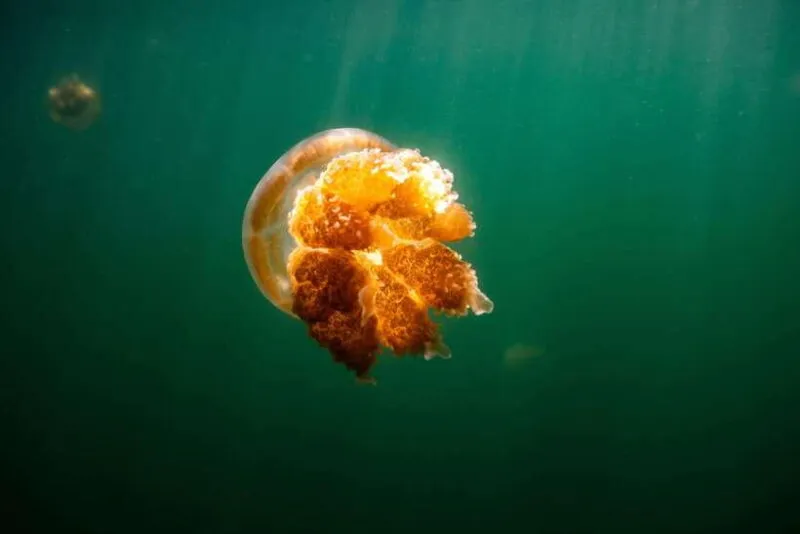
Marine Life Barcelona Sailing trip
What is the impact on us ?
Between May and August 2024, nearly 7,500 beachgoers on the Catalan coast received medical attention for jellyfish stings — a 41% increase from the previous year.
Some tips if you see a jellyfish:
- Watch the Flags: Port and beach staff will raise colored flags (yellow or red) based on jellyfish concentration.
- Be Cautious While Swimming: Avoid direct contact. Swim carefully and approach jellyfish from the top (the bell), never touch the tentacles.
If you get stung:
- Don’t rub the skin.
- Rinse with seawater, never freshwater.
- Remove any tentacles with tweezers or gloves.
- Apply cold packs or ice for 5 minutes and repeat if needed.
- Disinfect the area, and seek medical attention if symptoms persist.
In conclusion, jellyfish in the Port of Barcelona are a natural occurrence increasingly intensified by climate change and human activity. With caution and awareness, it’s possible to safely enjoy the sea — sharing the water with these fascinating, if sometimes stingy, marine visitors.